Prairieville Animal Hospital Veterinarians: Endocrine Health in Pets
The endocrine system in pets is a quiet powerhouse. It governs how energy flows through the body, how tissues respond to insulin, how thyroid hormones regulate metabolism, and how stress responses unfold. At Prairieville Animal Hospital, our veterinarians bring a practical, apartment-to-clinic understanding of how these hormonal rhythms show up in the real life of a family pet. We see diabetic cats who still chase laser dots, dogs whose coats look dull but who are otherwise bright, and small birds with delicate balances that surprise even seasoned clinicians. The work is precise and partnership focused, because care for endocrine health isn’t a single test or a single pill. It’s ongoing monitoring, honest conversations, and a plan that fits a pet’s daily routine and a family’s expectations.
Endocrine health rarely announces itself with a single dramatic symptom. Instead, it drifts into a routine where appetite shifts, energy levels change, or skin and coat reveal subtle clues. Our approach blends solid science with the lived realities of pet owners. We lean on objective data—blood glucose curves, thyroid panels, adrenal testing—while staying mindful of how a pet’s weight, activity, and environment interact with those numbers. This balance matters. It keeps treatment practical and minimizes disruption to daily life, which is especially important for busy households and senior pets who benefit most from stable, predictable care.
A practical starting point is understanding what endocrinology means for everyday pet health. The body uses hormones as messengers. A hormone is released by a gland and travels through the bloodstream to target organs. In balance, these signals optimize metabolism, growth, reproduction, and energy. When a gland overproduces or underproduces, the body must compensate. Compensation sometimes holds for years, masking illness until stress or aging pushes the system over a threshold. In practice, that means early detection matters. Regular wellness visits allow our Prairieville team to notice subtle shifts before they become major health events.
Section by section, we’ll explore what endocrine health looks like in pets, how we diagnose problems, what treatment paths look like, and how families can manage these conditions at home. The goal is practical clarity—real-world strategies that support longevity, comfort, and a bright, engaged life for pets.
Endocrine health realities and what they feel like in everyday life
Owners commonly describe changes in appetite, energy, or skin as the leading indicators of an underlying endocrine problem. A dog that suddenly gulps food and drinks constantly may be showing signs of diabetes mellitus or Cushing’s disease. A cat that sleeps more, gains weight, and then seems resistant to perceived calories may be dealing with hyperthyroidism or early kidney stress. Birds and small mammals aren’t immune to these shifts; their glands, though smaller, respond to stress and aging in ways that mirror larger animals, just with different diagnostic clues.
In our clinic, we always begin with context. We ask owners to recount a pet’s normal routine, including feeding times, exercise, and weight trends. We measure and re-measure. We compare today’s numbers with last year’s trends. We look for patterns rather than isolated data points. The real value in this approach becomes apparent when we see how small changes stack up. A modest uptick in water intake over two weeks may be the first sign of diabetes, or it could reflect a temporary change in a pet’s environment. The distinction matters, because treatment paths diverge dramatically based on the pattern, not a single reading.
Diagnosing endocrine issues is a blend of art and science. We rely on blood work, of course, but we few things more. The timing of samples matters for certain hormones, and we tailor testing to the patient’s species, age, and clinical presentation. For example, diagnosing thyroid disorders in dogs relies on a panel of tests that interpret the amount of circulating thyroid hormone, while diagnosing Cushing’s or Addison’s disease might involve an ACTH stimulation test or a low-dose dexamethasone suppression test. In cats, thyroid testing must consider the fact that kidney disease can obscure the interpretation of certain thyroid values. In birds and small mammals, we often lean on saline challenges, urinalysis, and careful observation of behavior alongside bloodwork. The goal is to separate the signal from the noise, which is to say we want to be confident that what we treat is the true driver of symptoms.
Practical pathways through common endocrine conditions
Diabetes mellitus appears as a disease of faulty glucose regulation. It results when the body either cannot produce enough insulin or cannot use insulin effectively. The classic signs are increased thirst, increased urination, weight loss despite normal or enhanced appetite, and sometimes persistent hunger. In cats, diabetes is increasingly common in older animals, and in dogs it tends to appear in middle age to senior life as well. Our Prairieville team has learned that early detection makes management smoother. A mild elevation in glucose with a measured body condition score can be a first clue, but confirming diabetes requires a broader view: repeated glucose readings, fructosamine to gauge longer-term control, and sometimes a urine culture to rule out concurrent urinary tract infections that can complicate management.
Hypothyroidism is a different kind of slow burn. In dogs, the thyroid slows down and the body’s metabolism lowers, which can manifest as weight gain, lethargy, coat changes, and sometimes skin infections. Cats are less commonly affected by hypothyroidism, but when it does occur, it can present a distinct set of challenges. The therapy in dogs centers on replacing thyroid hormone with a daily pill that is generally well tolerated, though long-term adherence matters. In cats, what we often see is nonspecific signs that require a careful diagnostic plan, since feline hypothyroidism is rare and may be confused with other conditions. Our veterinarians work with families to choose a regimen that aligns with the pet’s temperament and lifestyle, balancing efficacy with ease of administration.
Cushing’s disease, or hyperadrenocorticism, arises from excessive cortisol production, typically due to a tumor on the pituitary or adrenal gland or, less commonly, iatrogenic causes from prolonged steroid use. The signs can be subtle to begin with: increased appetite, pot-bellied appearance, obesity around the trunk, thinning skin, and hair loss. We often pursue screening that includes a low-dose dexamethasone suppression test or a ACTH stimulation test to confirm the diagnosis. Treatments vary widely depending on the underlying cause and the severity of clinical signs. Some pets benefit from medication that suppresses cortisol production, while others may require surgical management or adjustments in ongoing steroid therapy if that therapy was the precipitating factor.

Addison’s disease, or hypoadrenocorticism, is rarer but equally serious. In Addison’s, the adrenal glands fail to produce enough cortisol and sometimes aldosterone. The presentation can be dramatic, with vomiting, collapse, and a generalized sense of weakness. The diagnosis hinges on a combination of blood work showing electrolyte abnormalities and a cortisol response test. The treatment path is often acute in the sense of stabilizing the patient, followed by long-term hormone replacement and careful monitoring. Because Addison’s disease can mimic other problems, a high index of suspicion helps avoid delays in care, which can be life-saving in a pet family.
The diagnostic toolbox we rely on
Our tests are not random; they’re chosen to illuminate how the endocrine system is functioning at a given moment. A typical approach often starts with a comprehensive wellness panel that includes liver and kidney function, thyroid hormones, and a snapshot of electrolytes. In diabetic patients, we frequently add fructosamine to gauge average glucose control over the prior two to three weeks, and we may implement home glucose monitoring to capture day-to-day fluctuations. For Addison’s and Cushing’s, dynamic tests like ACTH stimulation or dexamethasone suppression provide clarity where resting hormone levels might mislead. We also consider imaging in selected cases. An ultrasound of the adrenal glands or adrenal glands can help identify structural causes when the clinical picture warrants it.
A few notes on the human side of testing. Blood draws in animals require skill and patience. We know some pets are anxious and uncomfortable at the clinic. Our team is trained to minimize stress, using low-stress handling, gentle restraint, and, when appropriate, calming options recommended by the veterinarian. The goal is accurate tests obtained with the least disruption to the animal and family routine. We explain every step and what the results mean in plain language, because understanding the why behind a test raises confidence in the plan.
Treatment paths that balance efficacy with daily life
Treating endocrine disorders is rarely a one-size-fits-all exercise. It’s about embedding a plan into the rhythm of a particular household and a particular pet. Take diabetes management as an example. Some owners opt for an injectable insulin regimen that requires careful dosing twice daily, with modeling to the pet’s weight and activity. Others, especially with certain dog breeds or cats already on a strict feeding schedule, may benefit from more frequent meals paired with glucose monitoring at home. We help families set realistic targets for weight management, dietary composition, and exercise, because each factor influences insulin needs and overall stability. The social and emotional strain of managing a chronic disease is real, and we address this head-on with practical guidance, check-ins, and a plan for gradual adjustments over weeks and months rather than dramatic changes overnight.
For hypothyroidism in dogs, the daily hormone replacement is typically straightforward, but adherence is key. We discuss the best pill formulation, whether it is a standard tablet crushed into a soft treat or a pill that can be given with a small amount of food. We’ll also outline when to recheck thyroid levels, how to adjust dosing if a pet’s coat improves but weight changes stagnate, and what signs might indicate a dose change is needed. For cats with hypothyroidism, if diagnosed, the approach is more nuanced, often requiring a process of ruling out other conditions and then targeting thyroid function in a way that preserves kidney health and appetite.
Cushing’s disease requires a different kind of partnership. Depending on the culprit, treatment may involve medication to reduce cortisol production, surgery to address a pituitary or adrenal source, or careful management of any underlying conditions that exacerbate cortisol release. The conversation around treatment is quite specific: what outcomes we expect, how quickly we anticipate improvement, and what adverse effects we are watching for. This is where the Prairieville team’s experience matters. We have seen how careful dose adjustments and routine monitoring can bring about meaningful changes in energy, coat quality, and overall vitality with a reasonable burden on daily life.
Addison’s disease presents a unique challenge because the patients can fluctuates widely in their needs. The immediate priority is to stabilize with fluids and electrolytes during a crisis, followed by a long-term plan that includes mineralocorticoid and glucocorticoid replacement. Diet often takes a back seat to the safety and stability of the endocrine balance in the earlier phases. Over time, we work with families to fine-tune hydration goals, stress management, and medication timing so the animal experiences as close to a normal lifestyle as possible.
Two practical client education anchors
-
Consistency in daily routine matters immensely for endocrine pets. Feeding times, dosing schedules, and exercise plans should become predictable anchors. We encourage families to write down a simple weekly routine, then adjust as needed after veterinary follow-ups. The aim is to minimize variability that can destabilize controlled conditions, especially for diabetes and Addison’s disease.
-
Home monitoring becomes a shared task rather than a sole burden on the pet owner. If a treatment plan includes glucose curves or periodic weight checks, we guide families on how to collect, interpret, and relay data. This isn’t about chasing perfect numbers; it’s about identifying trends and triggering timely adjustments in the plan.

The Prairieville Animal Hospital touchpoint: what sets our endocrine care apart
Our veterinarians bring deep practical experience to endocrine medicine. We’ve learned the hard lessons that come from managing chronic conditions across multiple species and life stages. We’ve seen how clients juggle school schedules, work commitments, and the unpredictable needs of aging pets. We’ve learned that the most effective medicine often lives outside the exam room in simple routines that restore stability and comfort. Our team combines this real-world perspective with access to up-to-date diagnostic tools and a collaborative approach that includes technicians, nurses, and specialists when needed. It is a team effort that keeps a pet’s daily life in balance while the endocrine system is brought into line with a durable plan.
We’ve also learned to respect the emotional fabric of caregiving. There is pride in small victories: a cat who once hid from the scale now hopping onto the counter for a daily pill, a dog whose blood glucose curves finally settle into a discover more stable pattern, a parrot whose energy returns as hormone therapy takes hold. The gains are incremental, and the path rarely feels linear. Our job is to stay steady with families, to explain what is happening in clear terms, and to adjust the plan as new data arrives. That steady partnership is the heartbeat of good endocrine care at Prairieville.
A structured approach to ongoing care
Endocrine health is not a one-and-done event. It is a cycle of diagnosis, treatment, and monitoring that repeats as the pet ages and life circumstances shift. Our clinic emphasizes three core stages in this cycle: assessment, stabilization, and maintenance.
During assessment, we gather a robust baseline: weights, body condition scores, blood chemistry, hormone panels, and baseline imaging when indicated. This is the stage where we establish a ground truth, which will guide every subsequent decision. In stabilization, the focus is on reducing clinical signs, achieving target glucose ranges, or normalizing hormone levels to the extent possible. This phase is where families notice tangible changes in appetite, energy, or coat appearance, and where we learn how the pet tolerates and responds to treatment. Finally, maintenance is about preserving these gains through consistent monitoring, timely dose adjustments, and a plan that integrates diet, activity, and environmental factors.
To keep this process practical, we lean on a few client-facing practices:
-
Regular wellness checks adapted to the endocrine condition. For a diabetic patient, check-ins every 4 to 6 weeks during adjustments, then every 3 to 6 months once control is established. For hypothyroid dogs, annual rechecks with interim checks if symptoms dictate. For Addison’s and Cushing’s, more frequent monitoring is common in the initial phases and then after any therapy change.
-
Clear signal language for owners. We define what constitutes a red flag and what counts as acceptable fluctuations. If a home measurement hits a threshold, we guide families on when to call the clinic or seek urgent care.
-
Transparent conversation about costs and feasibility. We discuss the trade-offs between test frequency, the invasiveness of certain procedures, and the overall goals for a pet’s quality of life. This conversation helps families make informed decisions aligned with their budget and values.
Two curated lists, limited by design
Common endocrine tests that frequently inform our decisions
- Comprehensive wellness panel tailored to the patient
- Thyroid hormone panels with interpretive notes for species
- Fructosamine or glycated protein testing for long-term glucose control
- ACTH stimulation or dexamethasone suppression tests for adrenal assessment
- Urinalysis with culture when indicated to rule out infection or to contextualize glucose findings
Patterns owners notice that often signal endocrine shifts
- Changes in thirst and urination that differ from the pet’s established baseline
- Unexplained weight loss or gain despite unchanged or increased appetite
- Altered energy levels, coat quality, or skin health
- Recurrent infections or skin issues that resist standard treatment
- Behavioral changes tied to fatigue or irritability that seem out of character
A note on numbers and real-world expectations
Any specific figure for target glucose ranges or hormone levels must be interpreted in context. Pets vary by species, age, and coexisting conditions. For example, a diabetic cat may tolerate wider glucose variability than a diabetic dog, and a dog with hypothyroidism may experience gradual benefits over several weeks rather than immediate changes. We avoid painting an overly precise picture that ignores the complexity of living with an endocrine disorder. Instead, we provide realistic targets and a plan for gradual improvement, with reassessments at practical intervals.
Real-world anecdotes from Prairieville’s halls
In the spring, a senior lab mix presented with a soft abdomen, thirst that skyrocketed after meals, and a weight that fluctuated despite steady exercise. The team traced the signs to diabetes, confirmed with a fructosamine test and repeated glucose readings. Through careful insulin titration, dietary adjustments, and a home monitoring plan, the dog’s energy and appetite recovered, and the owner learned to read the curve rather than chase perfect numbers. A year later, the pet remained stable, with occasional dose recalibrations aligned to seasonal activity and appetite changes. The family reported fewer disruptions to daily life, more reliable routines, and a sense of relief that the disease remained manageable rather than overwhelming.
A cat with dull coat and intermittent vomiting underwent a thyroid panel that revealed a mild hyperthyroidism. The team discussed treatment options, including methimazole therapy and, for some cats, the potential of radioactive iodine in more severe cases. The family chose a pharmacologic approach initially, with close monitoring for kidney function and appetite. Over several months, the cat’s coat brightened, energy rose, and appetite normalized, reinforcing the value of a thoughtful, staged plan rather than rushing to the most aggressive solution.
These stories illustrate a core truth: endocrine care is a partnership. Our role is to guide families through decisions, explain the why behind each test and each dose, and ensure that care remains aligned with what matters most to the human-animal pair.
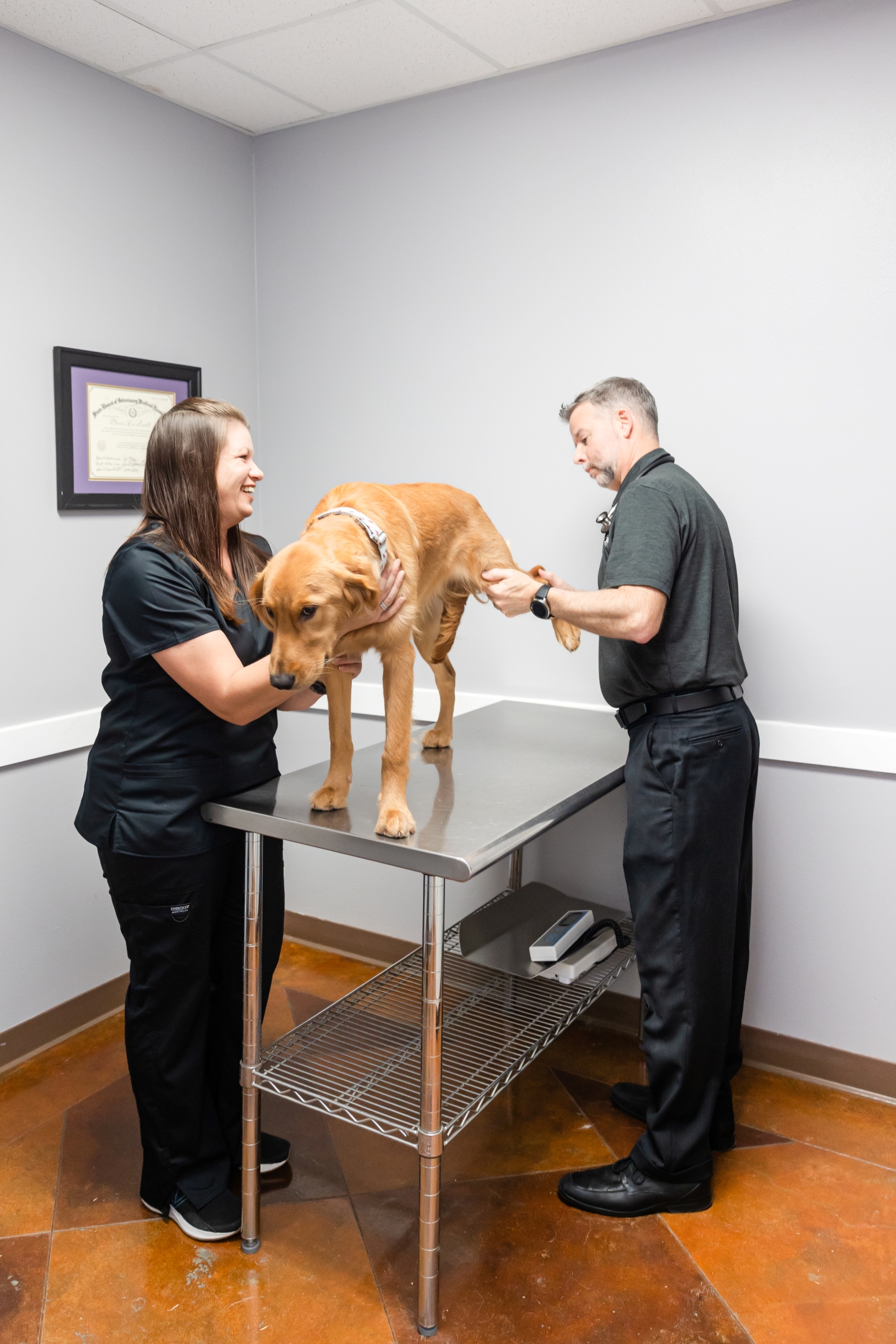
The Prairieville care philosophy in practice
Endocrine health care at Prairieville Animal Hospital rests on three pillars: accuracy, empathy, and practicality. Accuracy ensures we rely on validated tests and current best practices, while empathy keeps the patient and family experience at the center of every decision. Practicality translates medical plans into daily routines that households can sustain. This means choosing treatments that fit with meals, daily walks, and bedtime rituals, rather than imposing dramatic changes that are hard to maintain.
We also value the broader network of care. Sometimes endocrine issues reveal themselves in related systems, such as kidney function in older cats with low thyroid activity or hepatic concerns that complicate diabetes management. In those moments, we coordinate care with specialists, use ultrasound imaging when necessary, and lean on the support of technicians who are trained to minimize stress during procedures. The aim is to prevent siloed thinking and instead create a comprehensive, compassionate plan that respects the whole animal inside its daily life.
What keeps families engaged and informed
The crispest measures of success in endocrine health are steady weight, stable energy, and a sense of predictability in daily life. When a family speaks of a pet regaining appetite after a sudden downturn or enjoying longer periods of active play, we gauge that as meaningful progress. We encourage families to keep a simple journal of day-to-day observations: appetite cues, water intake patterns, activity levels, coat changes, and any episodes of vomiting or diarrhea. These notes help our clinicians interpret test results more accurately and adjust the plan with fewer surprises.
Education also extends beyond the clinic walls. We offer resources that help families understand how to administer medications correctly, how to monitor for side effects, and how to maintain a home environment that supports endocrine stability. For instance, a diabetic pet benefits from consistent feeding schedules and accessible feeding stations, while an Addisonian patient may require specific guidance for stress-related dose adjustments during travel or illness. The right information turns medical care into practical care, and practical care into daily wellness.
Closing reflections from our team
Endocrine health is intricate, but the core message remains simple: with steady care, most pets can maintain a high quality of life even in the face of chronic hormonal challenges. Our veterinarians at Prairieville Animal Hospital lean on disciplined testing, thoughtful treatment plans, and patient families who commit to a shared routine. We are reminded daily that health spans a lifetime, not a single moment in time. The joy comes in small, real ways—a cat who hops onto a windowsill after months of lethargy, a dog who bounds out the door for a walk without his usual fatigue, a bird that chirps with renewed vigor after a dose adjustment. Those moments reinforce the value of the work and the trust families place in our team.
If you are navigating endocrine health questions for your pet, know that you are not alone. Our team welcomes questions, aims for clear explanations, and works with you to build a plan that respects your pet’s uniqueness and your family’s routines. Endocrine health is a field where steady collaboration yields durable results, and Prairieville Animal Hospital stands ready to walk that path with you.
Ends · KEEGANETKP664